What Is a Torpedo Bat?
The Complete Guide to Baseball's Most Talked-About Innovation
On March 29, 2025, the New York Yankees crushed a franchise-record nine home runs in a single game against the Milwaukee Brewers and finished their opening three-game series with 15 homers — tying an MLB record. Within hours, the internet had one question: what is a torpedo bat?
The answer sits at the intersection of MIT physics, hitting data, and a simple question that players had been asking for years: what if the fattest part of the bat lined up with where you actually hit the ball?
This guide covers everything you need to know about torpedo bats — what they are, who invented them, why MLB players are switching, and whether they're legal. Whether you're a casual fan, a travel ball player, a coach, or a serious competitor, this is the definitive resource.
What Is a Torpedo Bat?
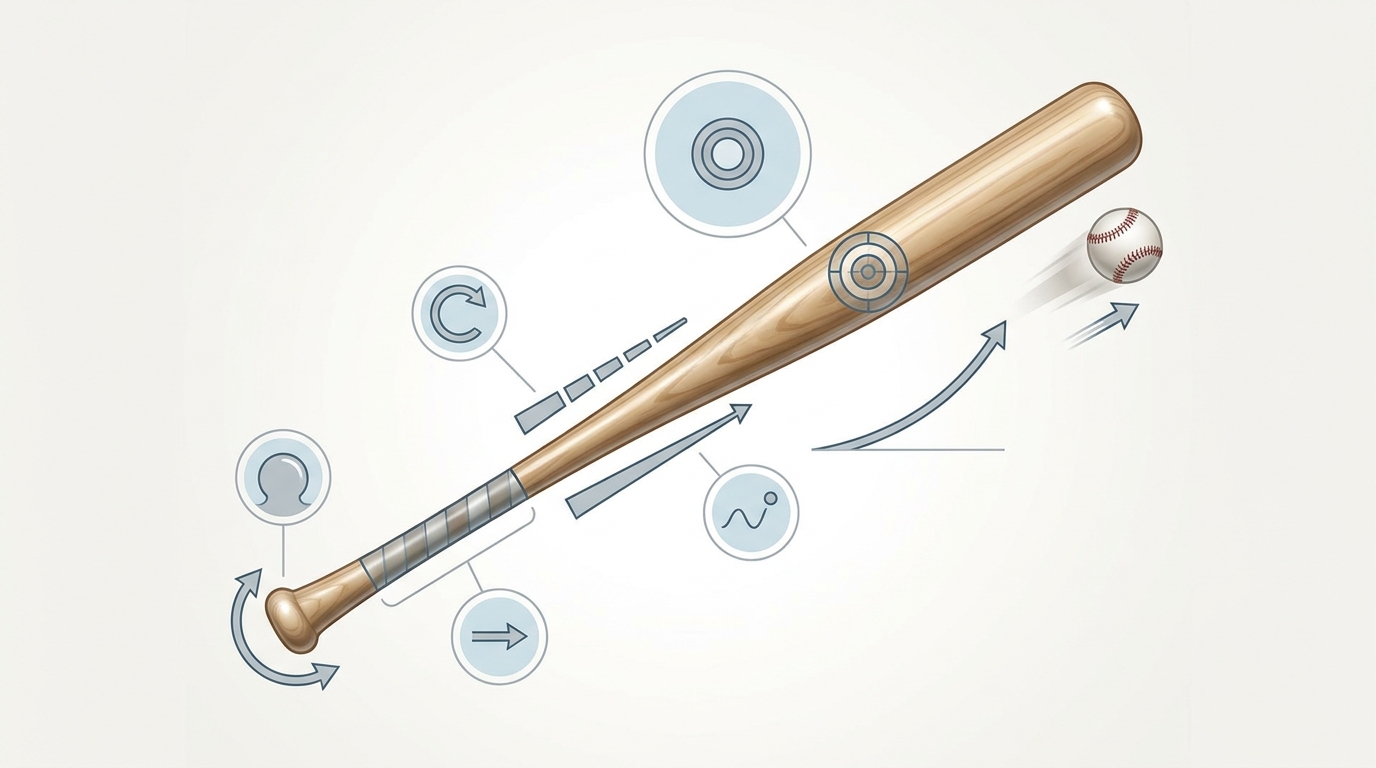
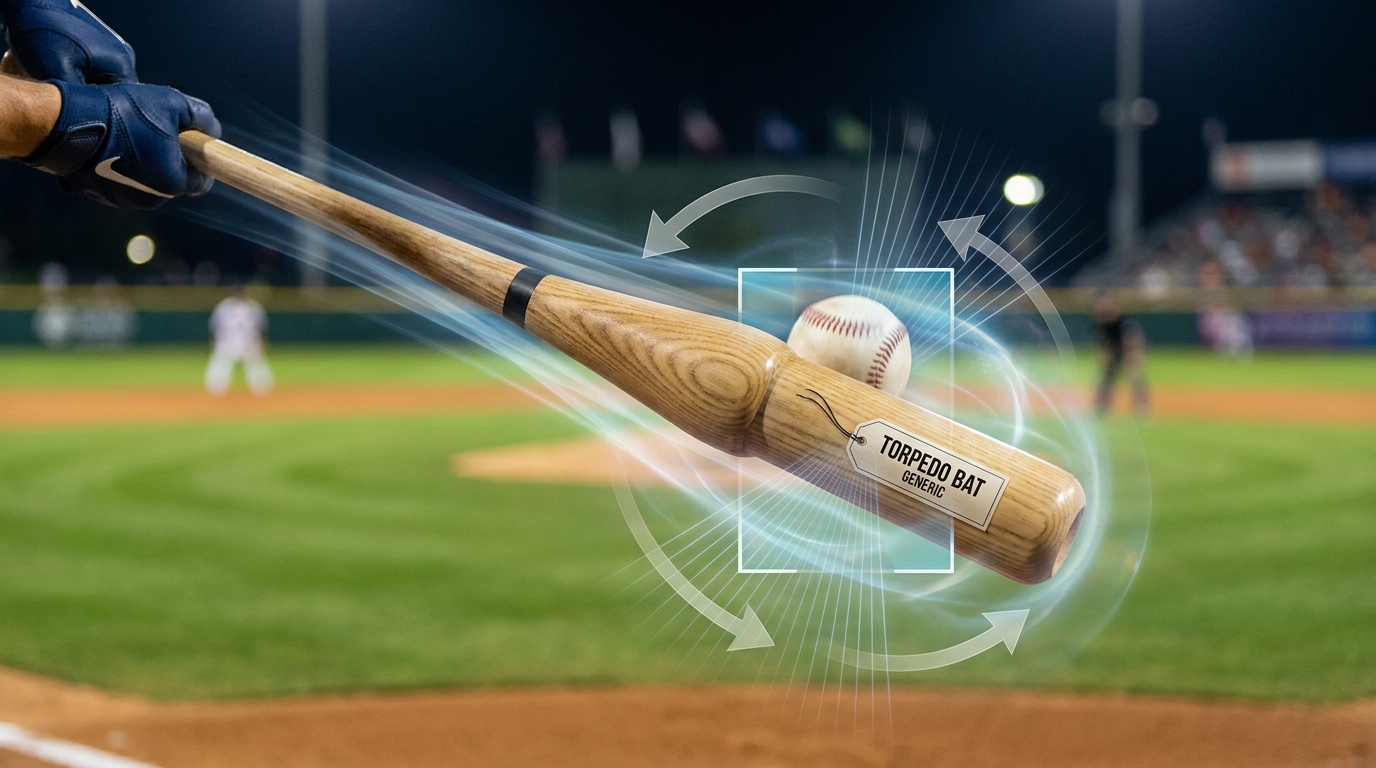
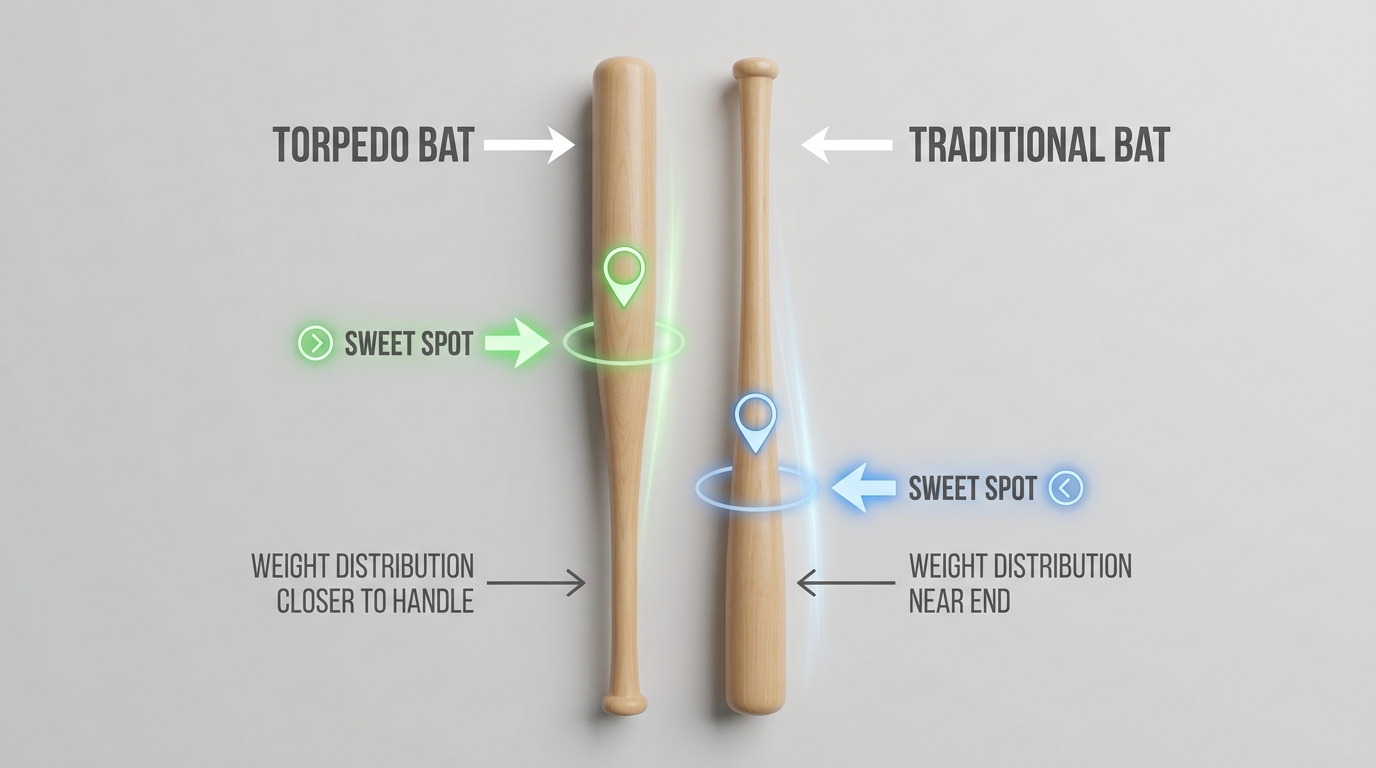
A torpedo bat — sometimes called a "bowling pin bat" — is a wood baseball bat engineered with an unconventional weight distribution. Unlike a traditional bat that gradually widens from handle to barrel tip, a torpedo bat reaches its maximum diameter earlier, closer to the batter's hands, and then tapers back down toward the end.
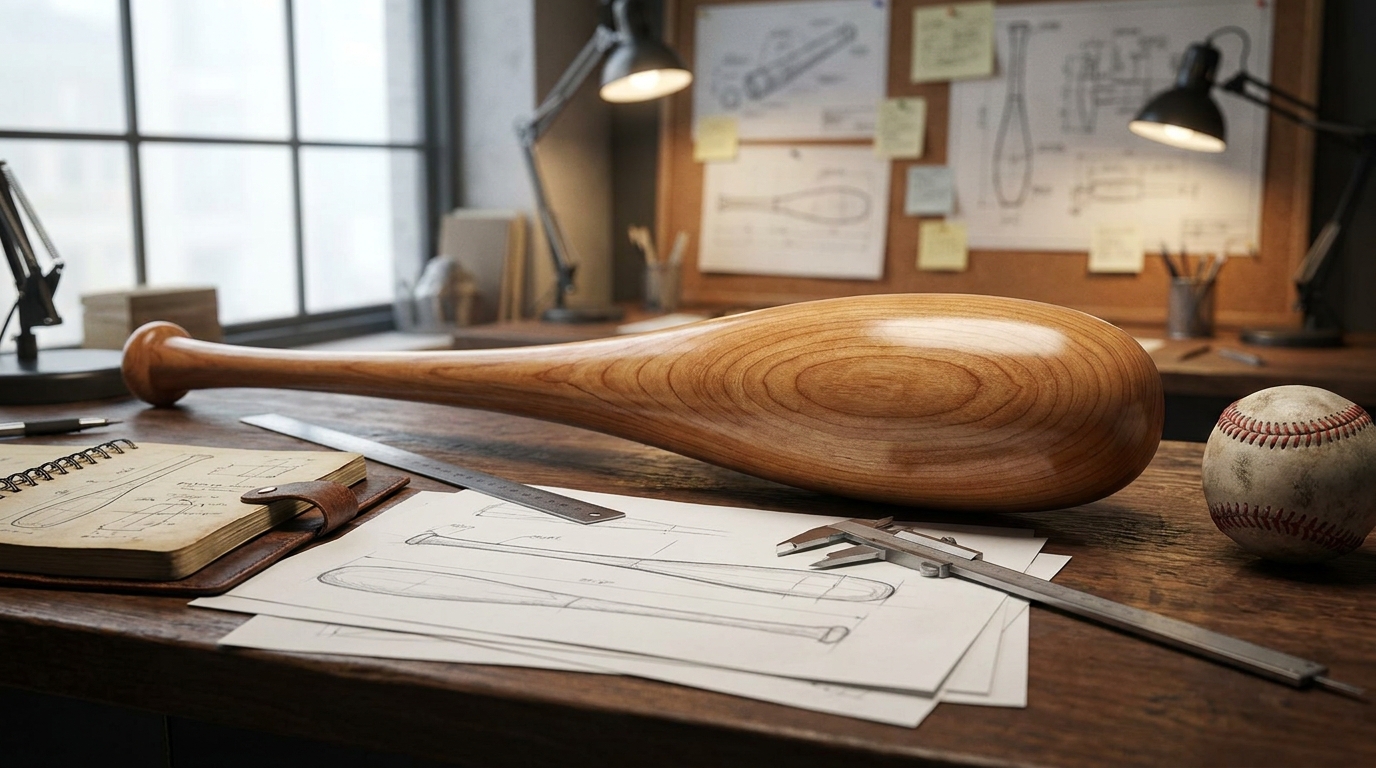
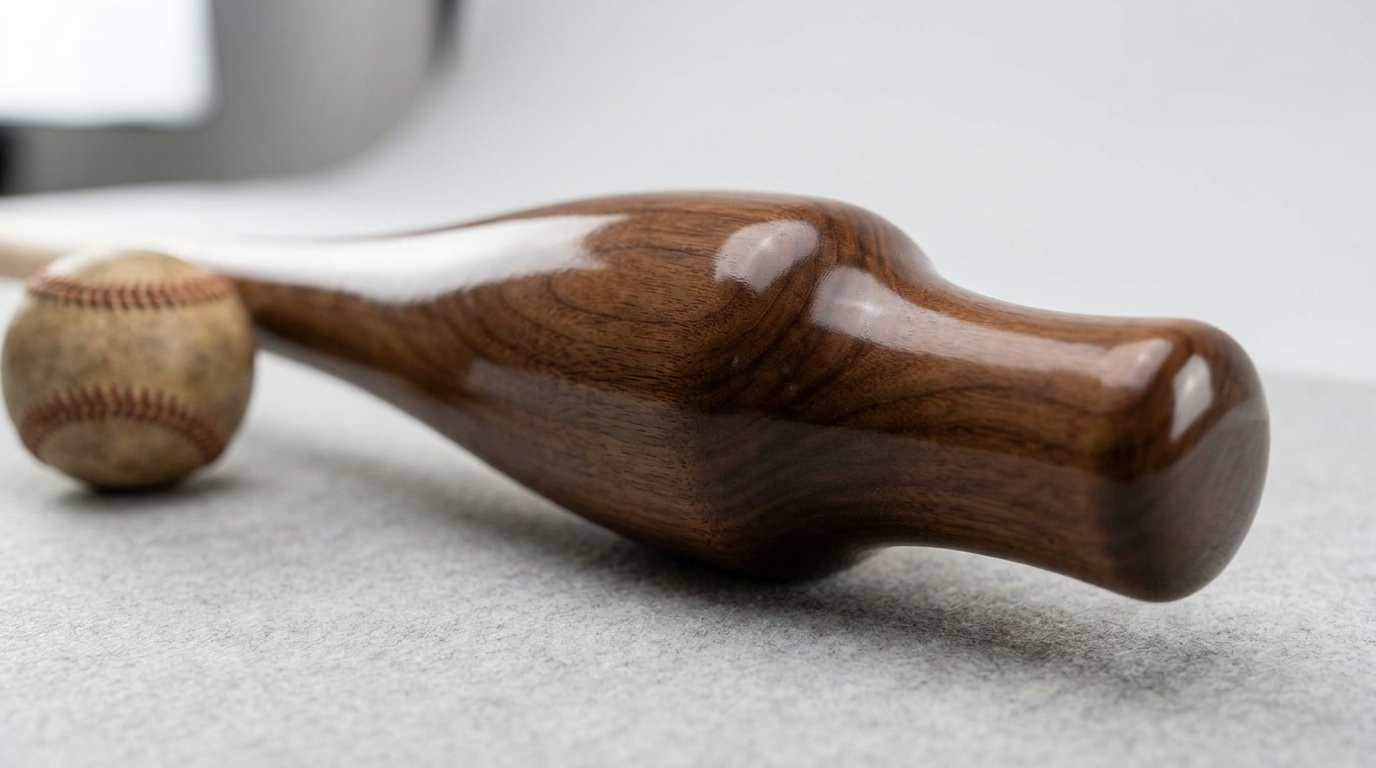
Think of it visually: a standard bat looks like a cylinder that widens at the top. A torpedo bat looks more like a bowling pin — widest in the middle, then narrowing again at both ends. That subtle shape change has massive implications for how the bat performs on contact.
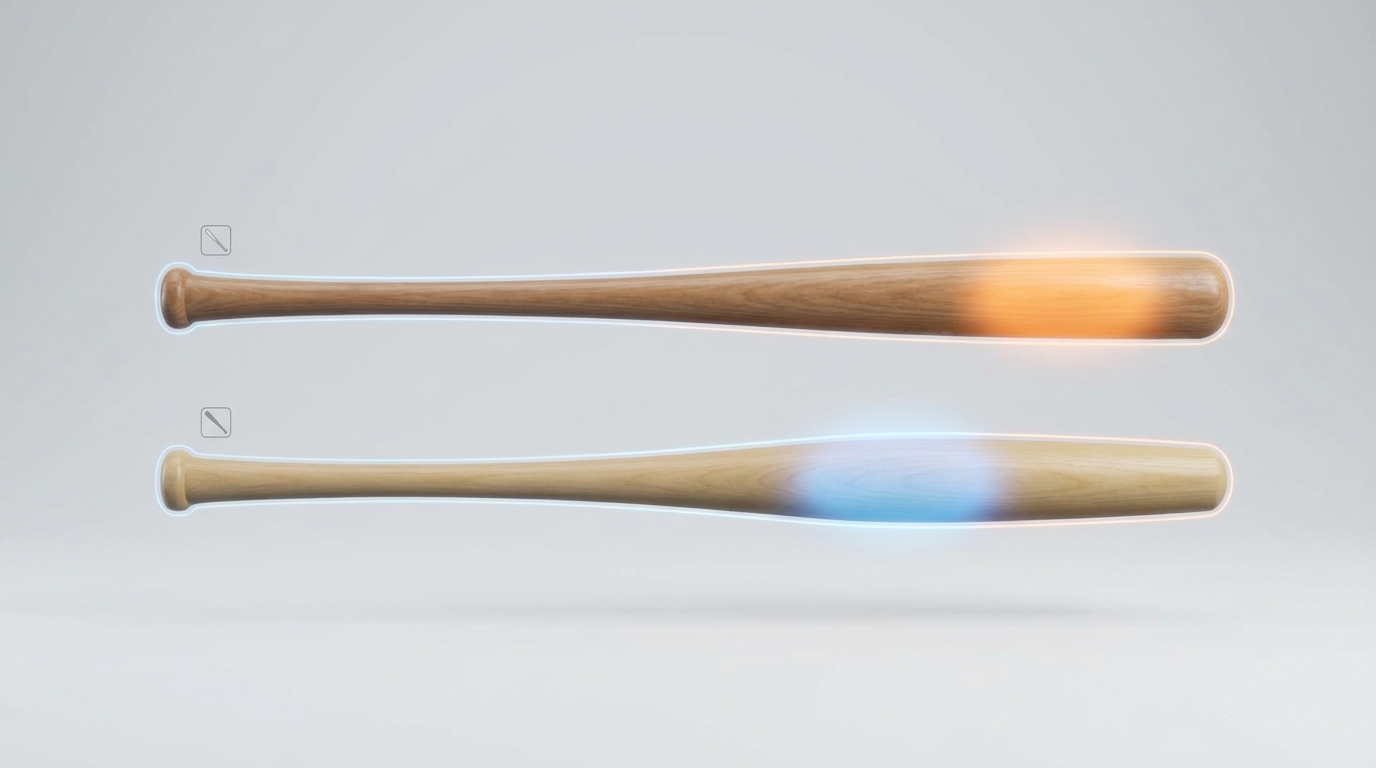
The key concept is the "sweet spot" — the ideal contact zone on the barrel that produces the best combination of exit velocity and accuracy. On a traditional bat, the sweet spot sits near the very end of the barrel. But research showed that most hitters were actually making contact 6 to 8 inches closer to their hands than where that sweet spot lived. The torpedo bat corrects this mismatch.
Every torpedo bat is custom-built to match an individual player's swing data. Analysts identify exactly where that player tends to make contact on the barrel, and the bat's thickest point — the maximum mass zone — is placed precisely there.
Who Invented the Torpedo Bat?
The torpedo bat was invented by Aaron Leanhardt, a former MIT-trained physicist who left academia to pursue a career in professional baseball. Leanhardt holds a bachelor's degree in electrical engineering from the University of Michigan and a doctorate in physics from MIT, where he also spent seven years as a professor.
In 2017, Leanhardt made an unusual career pivot — trading his lecture hall for dugouts. He started coaching in independent leagues, then at the community college level, before the New York Yankees hired him in 2018. He climbed the ranks from Gulf Coast League hitting coach all the way to MLB analyst by 2024, when he joined the Miami Marlins as field coordinator.
The idea for the torpedo bat began taking shape around 2022–2023, when Leanhardt started asking Yankees hitters a simple but revealing question: where are you trying to hit the ball?
"I think the eureka moment, really, was when players pointed to where they were trying to hit the ball, and they noticed themselves that it was not the fattest part of the bat." — Aaron Leanhardt
Once hitters identified their natural contact zone — consistently closer to their hands than the standard sweet spot — Leanhardt's physics background kicked in. The solution was almost elegantly simple: move the mass of the bat to match where the player actually hits. The unusual bowling-pin shape was a side effect of that redistribution, not the goal.
Leanhardt worked with multiple MLB-approved bat manufacturers through 2023 and 2024, creating iterations, gathering player feedback, and refining the design in a continuous loop. Players like Giancarlo Stanton and Francisco Lindor became early adopters, swinging proto-versions of the torpedo during the 2024 season before the bat exploded into mainstream awareness in 2025.
How Does a Torpedo Bat Differ From a Traditional Bat?
The differences are more than cosmetic. Here's how torpedo bats and traditional bats compare across the metrics that matter most to hitters:
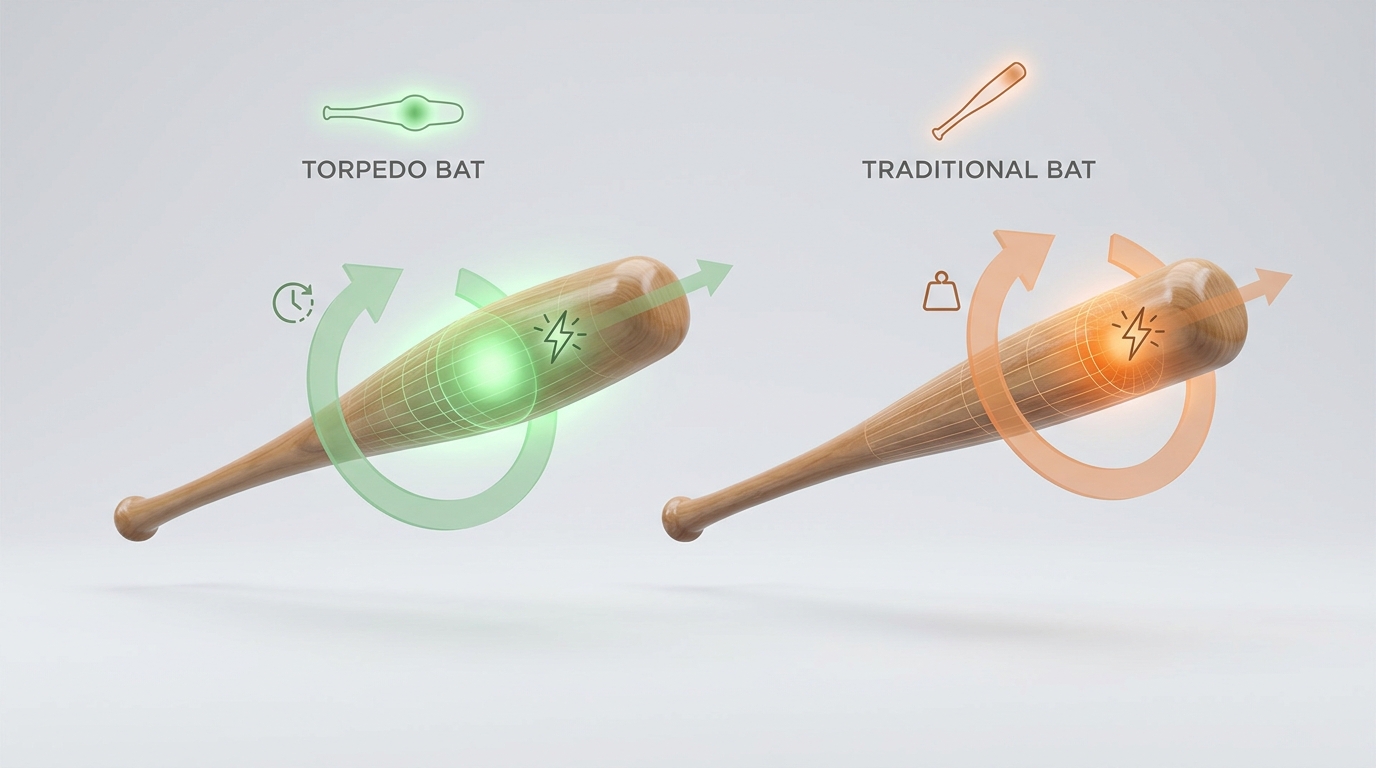
- Shape & Profile: Traditional bats widen gradually from handle to barrel tip, reaching maximum diameter at the very end. Torpedo bats reach maximum diameter earlier — between 6 and 10 inches from the end cap — creating that distinctive bowling-pin silhouette.
- Mass Distribution: Because wood is removed from the end of the barrel and redistributed toward the handle-side of the barrel, torpedo bats shift weight away from the tip and toward the player's hands. This lower moment of inertia (MOI) means the bat is easier to swing faster without sacrificing the mass needed to transfer energy into the ball.
- The Sweet Spot: On a standard bat, the sweet spot is near the top 2–3 inches of the barrel. On a torpedo bat, the sweet spot is custom-positioned based on the individual player's swing data — typically 6 to 10 inches from the end.
- Weight & Length: Torpedo bats are made to the same overall length and weight specs as a player's standard bat. A player using a 34-inch, 31-ounce bat will receive a torpedo version at the same measurements — the difference is purely in how that weight is distributed along the length.
Want to go deeper into the science of how the bat generates more exit velocity and bat speed? Read our full breakdown:
📖 See: How Does a Torpedo Bat Work? The Physics Explained → /what-is-torpedo-bat/how-it-works
Is the Torpedo Bat Legal in MLB?
Yes — the torpedo bat is 100% legal in Major League Baseball. Despite its unconventional shape generating plenty of controversy (Brewers reliever Trevor Megill called it "like something used in slow-pitch softball"), the bat meets every rule in MLB's bat specifications under Rule 3.02.
MLB's bat rules require only that a bat:
- Be a smooth, round stick
- Not exceed 2.61 inches in diameter at its thickest point
- Not exceed 42 inches in length
- Be made from one piece of solid wood
Torpedo bats satisfy all four requirements. The rule does not specify where the thickest point must be located, which is the key opening that Leanhardt's design exploits. MLB confirmed this interpretation and reassured teams the bats were fully legal when questions arose after the Yankees' record-setting series.
Note: Torpedo bats in their current form are wood bats, making them legal for MLB use. Rules differ for amateur leagues, youth baseball, and metal/composite bat leagues. Always check your specific league's regulations before purchasing.
Torpedo Bat Performance Data: What the Numbers Show
Among the five Yankees players who adopted torpedo bats heading into the 2025 season, every single one recorded an increase in bat velocity year-over-year:
| Player | Bat Type | Bat Speed ↑ | Result |
|---|---|---|---|
| Anthony Volpe | Torpedo | +3.0 mph | HR — Opening Day |
| Jazz Chisholm Jr. | Torpedo | +1.1 mph | 2 HR, Mar 29 |
| Cody Bellinger | Torpedo | +2.5 mph | Multi-HR series |
| Austin Wells | Torpedo | +2.0 mph | HR vs. Brewers |
| Paul Goldschmidt | Torpedo | +0.3 mph | Consistent contact |
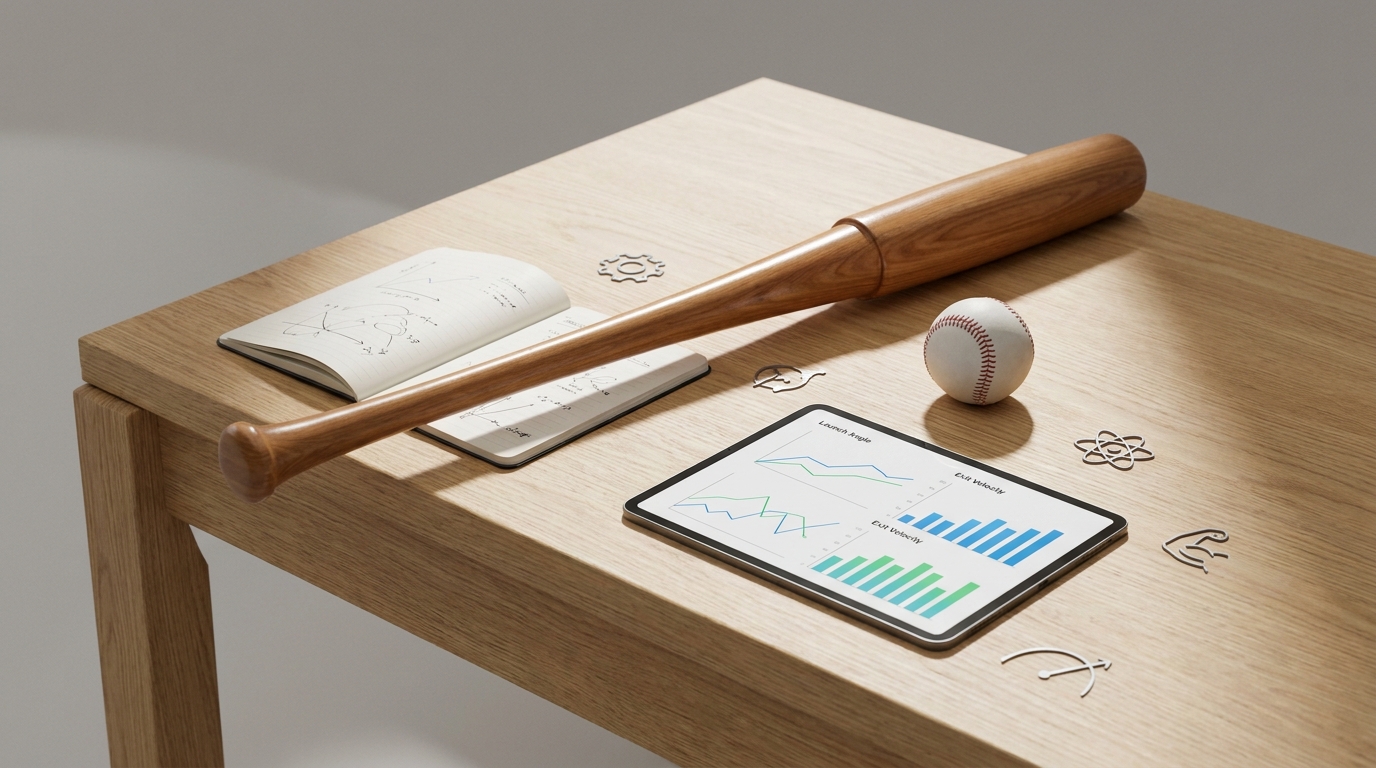
Those bat velocity gains translate directly into higher exit velocity — the speed at which the ball comes off the bat. Exit velocity is one of the strongest predictors of hard contact and home runs in modern baseball analytics.
Beyond the Yankees data, the broader principle is supported by physics: when mass is better aligned with the contact zone, more energy transfers into the ball at the moment of impact. Combined with faster swing speeds from the redistributed weight, the torpedo bat creates a compounding advantage in both contact quality and power.
⚡ By Opening Day 2025, the Atlanta Braves had already placed an order for torpedo bats after watching the Yankees' performance. The design is spreading fast.
Why Are Players Switching to Torpedo Bats?
The short answer: pitching has gotten exceptionally good, and hitters are looking for every edge. Strikeout rates hit an all-time high in recent seasons, and batting averages league-wide fell to their lowest point in over half a century. The torpedo bat emerged as a physics-based answer to a hitting crisis.
Here's why players at every level are paying attention:
- Bigger effective sweet spot. Matching the thickest part of the barrel to the player's actual contact zone means more good contact on mishit balls that would have been weak grounders or pop-ups with a traditional bat.
- Faster swing speed. Redistributing weight away from the bat's end reduces moment of inertia, allowing players to swing the bat through the zone more quickly — without switching to a lighter overall bat weight.
- More forgiving on off-center contact. Because the sweet spot is aligned with where the player naturally makes contact, slightly off-center hits still land closer to peak performance zones.
- Personalized by data. Each bat is built using the player's actual swing data, making it arguably the most customized piece of equipment in the sport. This is not a one-size-fits-all product.
Curious how the design philosophy behind the torpedo bat shapes its construction? → 📖 See: Torpedo Bat Design Philosophy → /what-is-torpedo-bat/design-philosophy
Who Is Using the Torpedo Bat?
The torpedo bat entered public awareness through the Yankees, but adoption is spreading rapidly across MLB and into amateur baseball. Notable early adopters include:
- Giancarlo Stanton (Yankees): One of the earliest and highest-profile adopters, credited with legitimizing the bat at the MLB level.
- Jazz Chisholm Jr. (Yankees): Hit two home runs on the same March 29 game where the bat went viral; vocal supporter of the design.
- Anthony Volpe (Yankees): Shortstop whose natural contact point sits closer to the handle — making him an ideal candidate for torpedo design.
- Francisco Lindor (Mets): Used a proto-version during 2024, one of the earliest MLB adapters outside the Yankees organization.
- Cody Bellinger (Yankees): Praised the feel of the bat immediately during spring training 2025.
Beyond these names, Aaron Leanhardt worked with players throughout minor league systems during 2023–2024, meaning torpedo bat users are already spread across MLB rosters.
Torpedo Bat Components: A Quick Overview
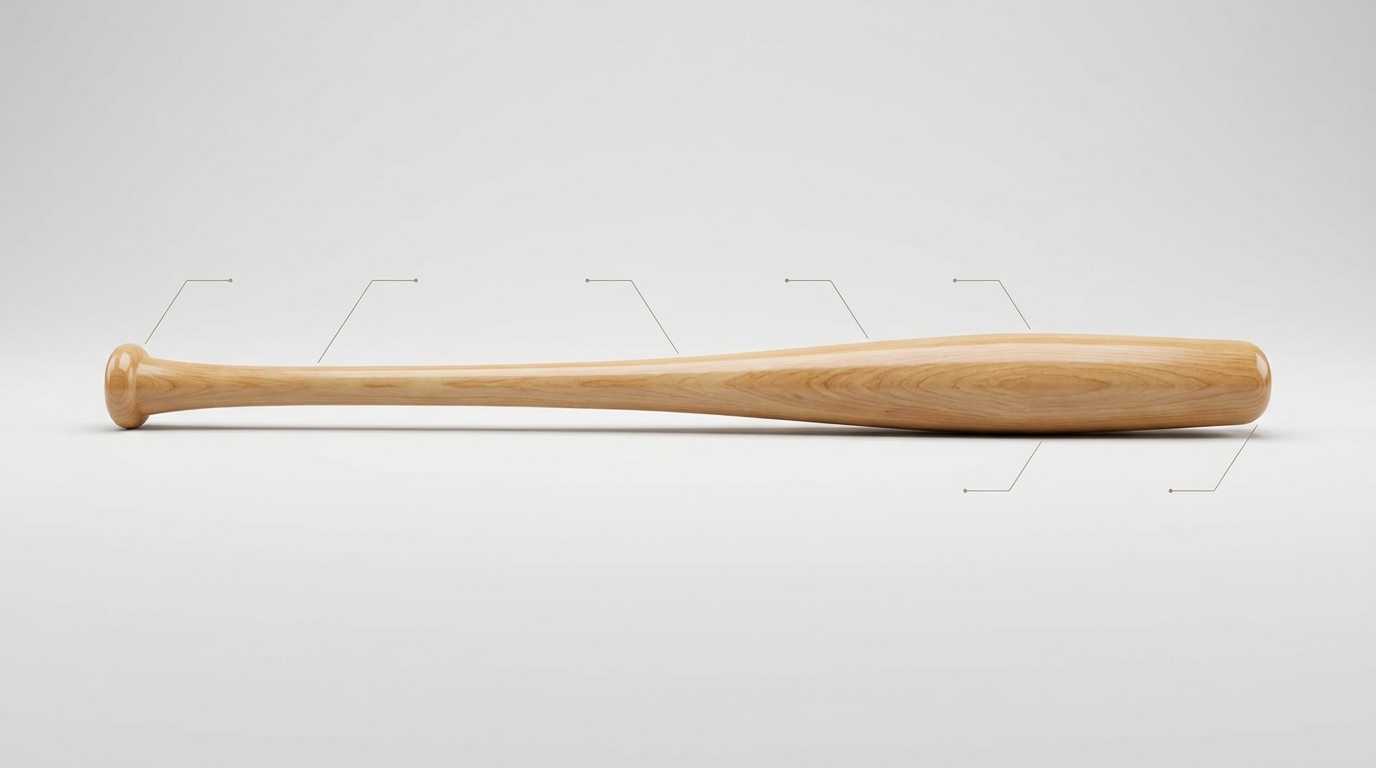
While a torpedo bat uses the same wood and dimensions as a standard MLB bat, its component structure is designed with specific measurements. The key structural elements include the knob, handle, transition zone, barrel placement zone (the point of maximum diameter), and end cap — each serving a different role in the bat's unique performance profile.
📖 See the full breakdown: Torpedo Bat Components Explained → /what-is-torpedo-bat/components
Frequently Asked Questions About Torpedo Bats
What makes a torpedo bat different from a regular bat?
The main difference is where the maximum diameter sits on the barrel. A traditional bat is widest at the very tip. A torpedo bat is widest closer to the batter's hands — aligned with the player's natural contact zone based on swing data.
Are torpedo bats legal in Little League or high school baseball?
Currently, torpedo bats are wood bats and follow MLB's Rule 3.02. Little League and high school baseball (NFHS) have their own bat standards, which typically govern material (metal vs. wood) and certification marks (BBCOR, USA Baseball). Most torpedo bat discussion applies to professional or wood bat leagues. Always verify with your specific league before using one.
Can I buy a torpedo bat as an amateur player?
The torpedo bat was originally a custom-manufactured product built to order through MLB-approved bat companies. As of 2025, several manufacturers are beginning to offer torpedo-profile bats to the broader market due to high demand. Availability is expanding rapidly.
Does a torpedo bat actually help you hit more home runs?
The data from MLB players shows real improvements in bat velocity and exit velocity. However, the bat is not a substitute for proper swing mechanics. It's designed to optimize a good swing — not fix a flawed one. As Leanhardt himself said: "At the end of the day, it's about the batter, not the bat."
What wood are torpedo bats made from?
Like all MLB wood bats, torpedo bats are typically made from maple, ash, or birch. Maple is the most common choice at the professional level for its hardness and durability. The torpedo shape applies to the geometry of the bat, not the material.
Who invented the torpedo bat?
Aaron Leanhardt, a physicist with a doctorate from MIT, invented the torpedo bat while working as a hitting coordinator and analyst for the New York Yankees between 2022 and 2024. He is now the field coordinator for the Miami Marlins.
The torpedo bat is not a gimmick. It is the product of serious physics research, years of player feedback, and data-driven bat customization. By repositioning the bat's mass to align with a hitter's actual contact zone, it delivers a larger effective sweet spot and faster swing speed — without violating any MLB rule.
Whether it changes baseball forever or becomes one tool among many depends on how widely it's adopted and how the game responds. But as of the 2025 season, one thing is clear: the torpedo bat is here, it's legal, it's spreading, and serious hitters are paying attention.
Gallery